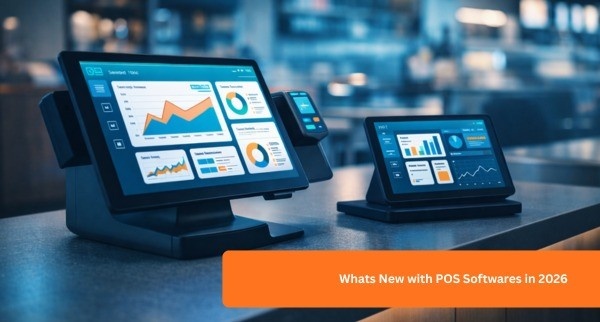
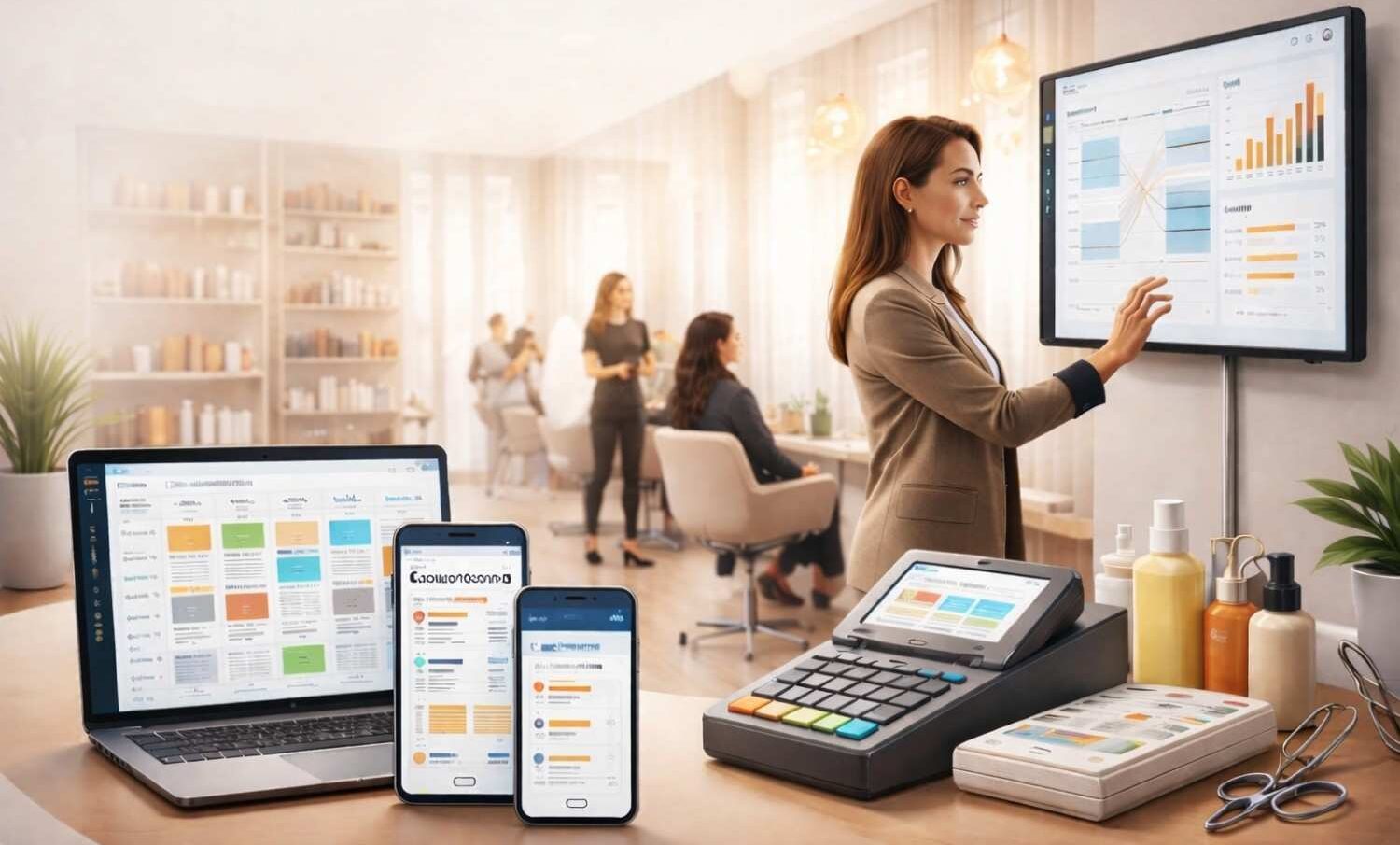
In 2026, Point of Sale (POS) software has transformed from a basic transaction processor into an intelligent business hub, essential for retail and restaurant operations. Modern POS systems offer enhanced efficiency, deeper data insights, and seamless customer experiences, providing a competitive edge.
Limitations of Traditional POS Systems
Legacy POS systems, still prevalent in many businesses, present significant challenges in the current market:
Ready to Modernize your POS System?
Discover how our integrated POS solutions can transform your business operations, reduce errors, and boost profitability.
Cloud-based POS systems are now the dominant market standard due to their flexibility and power:
- Anytime, Anywhere Access: Business owners and managers can oversee operations remotely via smartphones or tablets, accessing centralized dashboards for real-time overviews of sales, inventory, and staff performance across all locations.
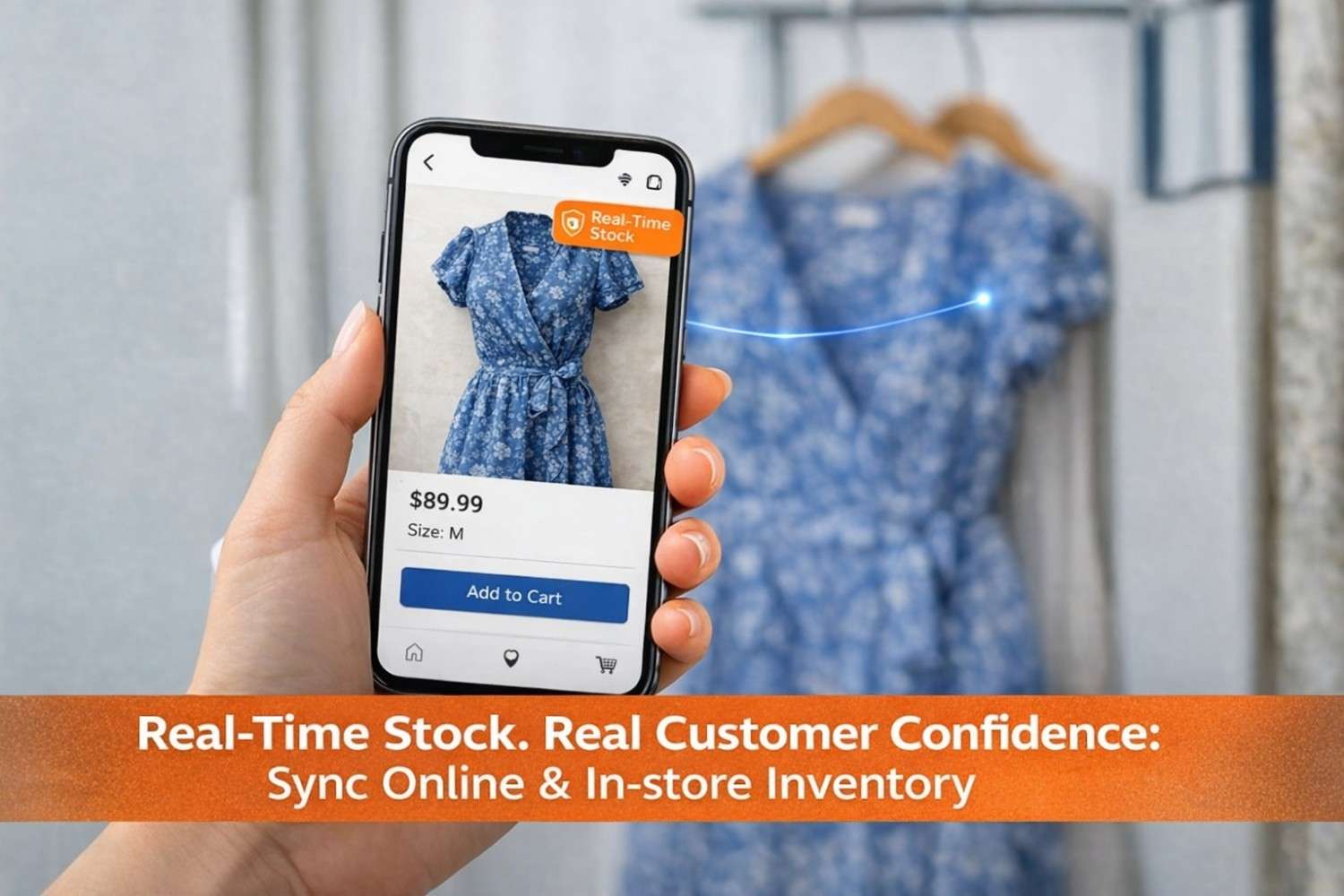
- Real-Time Data Visibility: Instant access to up-to-the-minute data enables faster, more informed decisions, allowing businesses to understand trends as they happen.
- Offline and Online Sync Capabilities: Modern cloud POS software ensures business continuity during internet downtime. Transactions can be processed offline and automatically synced to the cloud once connectivity is restored, preventing lost sales and ensuring smooth operations.
POS and ERP Integration: A Necessity
In 2026, POS systems must be deeply integrated with ERP ecosystems for a holistic business view:
- Elimination of Duplicate Data Entry: Direct integration with inventory, accounting, and Customer Relationship Management (CRM) systems ensures data is entered once and accessible everywhere, saving time and reducing errors.
- Single Source of Truth: All departments rely on consistent data, fostering better collaboration and ensuring accurate information across the organization.
- Improved Decision-Making: Linking POS to ERP unlocks powerful analytics, providing real-time insights into sales, stock levels, costs, revenue, and customer purchasing patterns, enabling swift adjustments and proactive strategy development.
Smarter Inventory and Multi-Store Management
Modern POS systems offer advanced control and clarity for inventory and multi-location management:
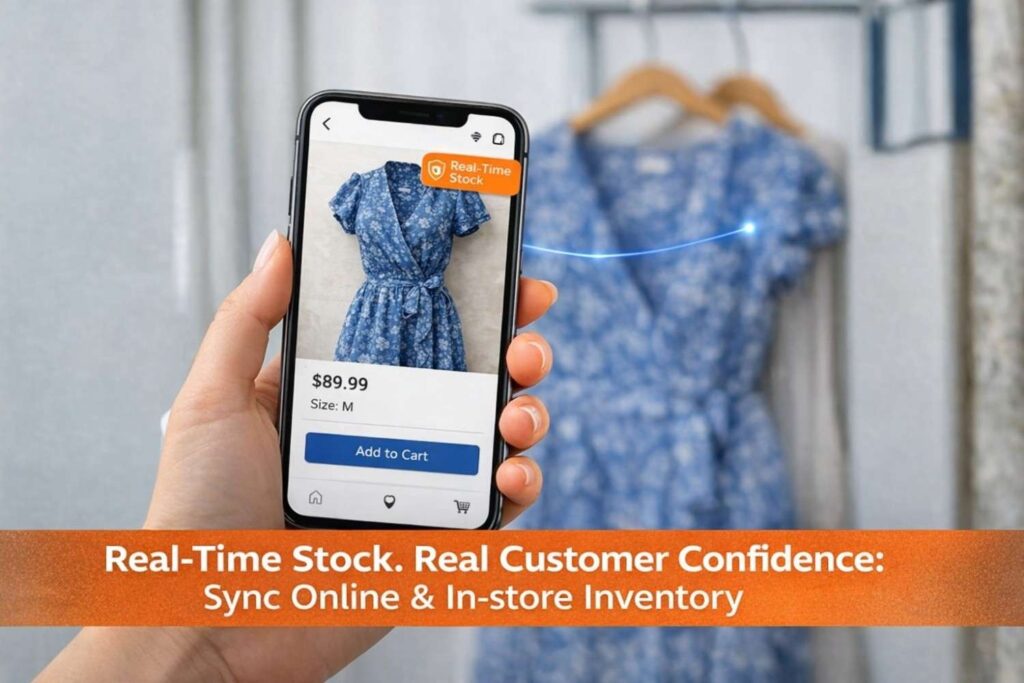
- Real-Time Inventory Tracking and Alerts: Automated updates of stock levels as items are sold, returned, or received. The system provides insights into fast-moving vs. slow-moving items and can trigger alerts for low stock or items nearing expiry.
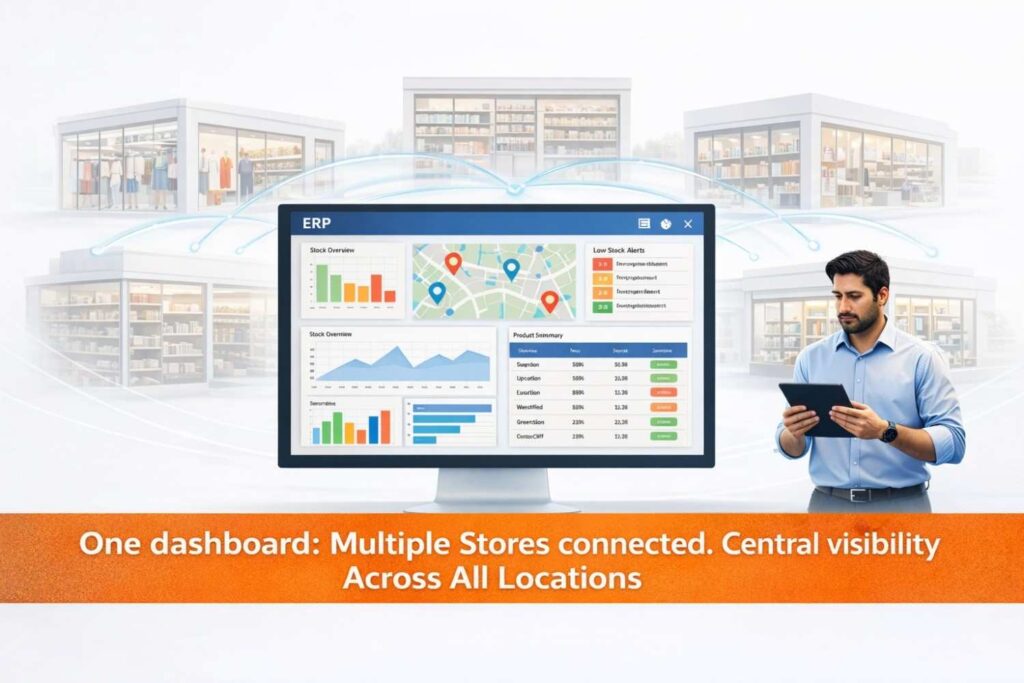
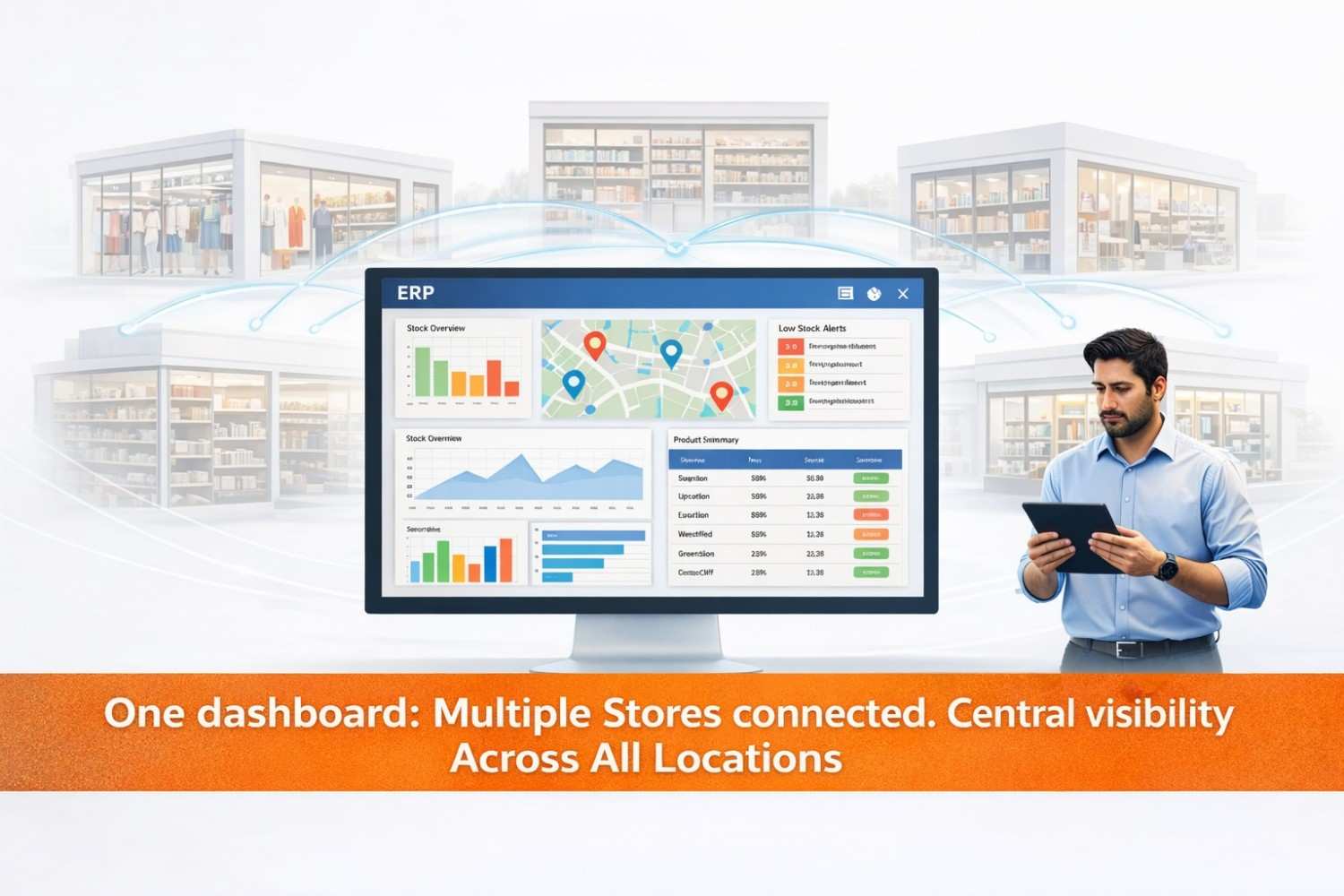
- Centralized Control for Multi-Store Businesses: A unified dashboard allows for easy comparison of sales, inventory turnover, and profitability across all branches. Pricing and promotions can be implemented instantly and consistently across all locations.
AI and Automation Features
The future of POS involves intelligent automation for streamlined operations and predictive insights:
- Automated Billing, Reports, and Approvals: Routine tasks like generating invoices and closing daily reports are automated, speeding up workflows and reducing human errors.
- Predictive Insights for Sales and Stock Planning: AI and machine learning analyze historical data and trends to forecast demand, optimize inventory, plan staffing, and anticipate peak sales periods. AI algorithms can also detect unusual transaction patterns for fraud prevention.
Experience AI Powered POS
Our POS solutions with built-in AI capabilities can help you forecast demand, prevent fraud, and automate routine tasks.
Omnichannel POS for Seamless Experiences
Customers expect consistent experiences across all touchpoints. Omnichannel POS systems centralize sales channels:
-
Unified POS for In-Store, Online, and Delivery Orders: All orders from retail stores, e-commerce websites, and food delivery apps flow into one centralized system, simplifying order processing and fulfillment.
-
Streamlined “Buy Online Pickup In Store” (BOPIS): Integrated POS systems facilitate smooth and efficient BOPIS processes, reducing wait times and improving customer satisfaction.
-
Better Customer Experience Through Consistency: Unified pricing, promotions, discounts, order history, and loyalty tracking across all sales channels build trust and loyalty.
Advanced Reporting and Real-Time Analytics
Modern POS systems provide live, actionable dashboards for instant insights:
-
Role-Based Dashboards: Customizable views provide owners, managers, finance teams, and employees with the specific data they need (e.g., sales performance, inventory status, cash flow, employee performance).
-
Faster Business Decisions: Real-time data enables proactive identification of trends, loss prevention through fraud detection, and on-the-fly adjustments to marketing, staffing, and inventory orders.
Security, Scalability, and Compliance
Robust security, flexible scalability, and unwavering compliance are critical for modern POS software:
-
Secure Access and Role-Based Permissions: Advanced encryption, tokenization, and PCI DSS compliance protect sensitive data. Role-based access limits employee visibility to only necessary functions, minimizing internal risks.
-
Scalable POS Systems: Designed to expand with business growth, allowing for the seamless addition of stores, users, and features without major overhauls—ensuring a future-proof investment.
Choosing the Right POS Software in 2026
Selecting the right POS system requires careful evaluation beyond price:
-
Key Questions to Ask: Businesses should inquire about ERP, accounting, and CRM integration capabilities, customization options, scalability, vendor reputation and support, mobile POS (mPOS) support, and the availability of robust analytics and reporting tools.
-
Future-Ready POS Over Pricing: Focusing solely on the lowest price can lead to hidden costs. A comprehensive, integrated, and scalable system offers a higher long-term ROI through increased efficiency, reduced errors, improved customer satisfaction, and better decision-making. Operational stability and avoiding a “workflow tax” are crucial.
Find Your Perfect POS Solution
Not sure which POS system is right for your business? Take our 2-minute assessment to get personalized recommendations.
Conclusion: POS Software as a Business Platform
In 2026, POS software is an indispensable business platform, driving efficiency, customer experiences, and data-driven decisions. Businesses that adopt intelligent, integrated, and scalable solutions will streamline operations, unlock profitability, and foster customer loyalty in the competitive market.
Additional Resources