The Overselling Problem in Fashion Retail
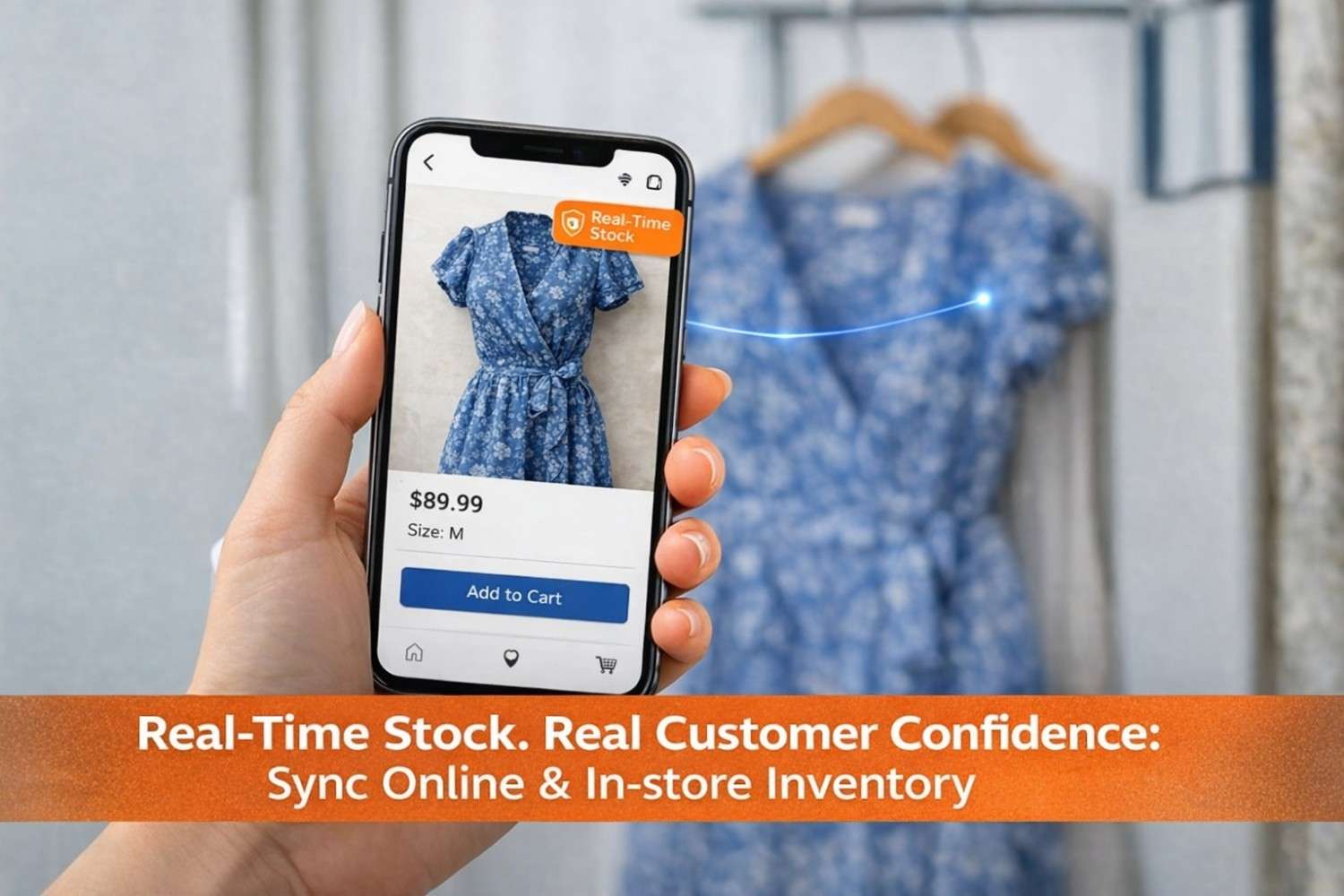
A customer orders a trending dress online.
Minutes earlier, the same size sold out at a physical store.
The website still shows “In Stock.”
The order goes through.
A cancellation email follows the next day.
This is overselling. And in fashion retail, it happens more often than businesses admit.
Overselling creates:
- Refunds and payment reversals
- Customer support overload
- Negative reviews
- Reduced repeat purchases
- Margin leakage
Fashion retail is especially vulnerable because of:
- High SKU variability: style, size, and color combinations
- Fast-moving collections and promotions
- Multi-store inventory spread across locations
When stock updates are delayed even by 30 to 60 minutes, the risk multiplies. Overselling is not just an inventory issue. It becomes a brand trust issue.
The fix is not more spreadsheets or manual cross-checks. The fix is proper ERP ecommerce integration.
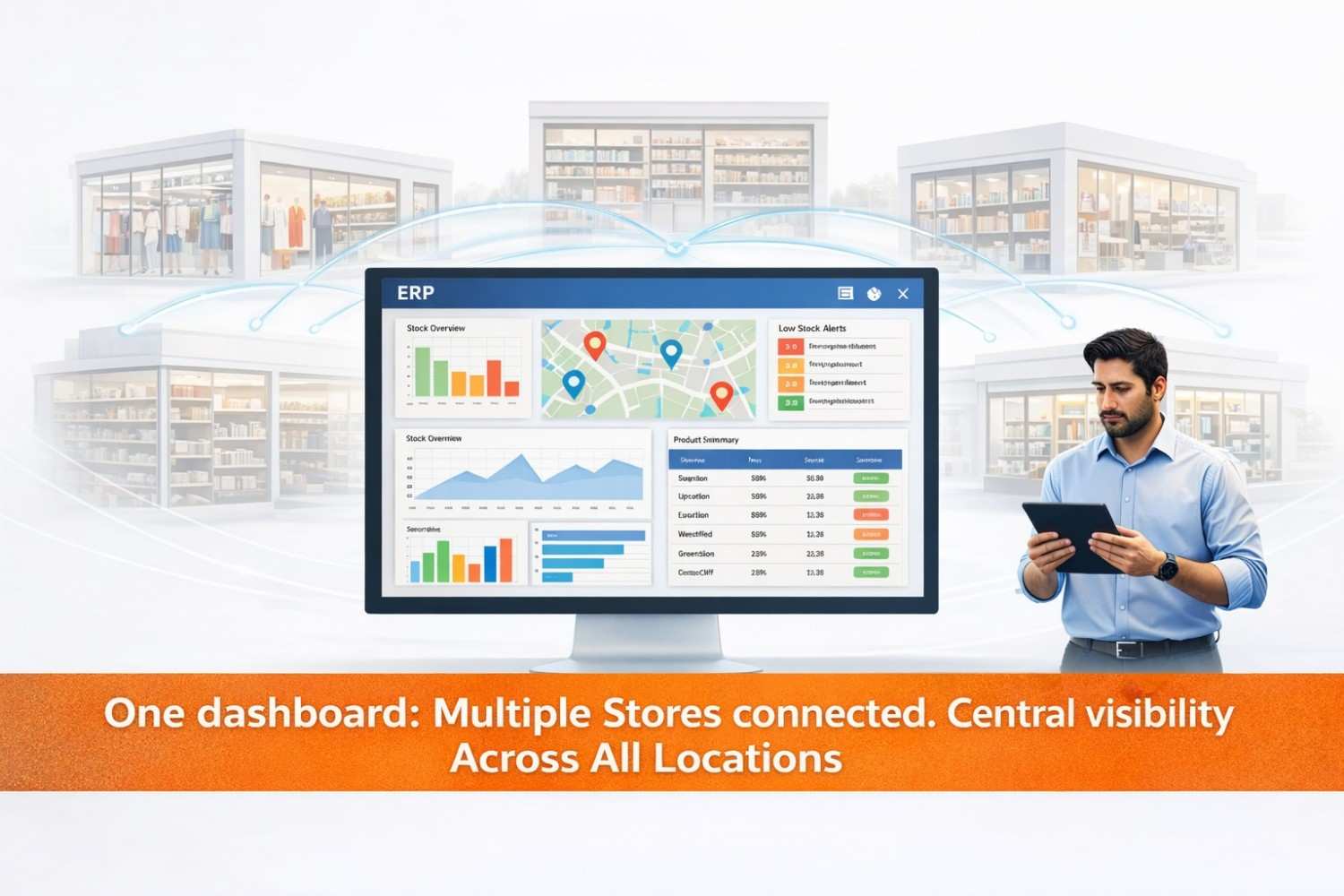
When your ERP system becomes the single source of truth for inventory across:
- POS
- Warehouse
- Ecommerce
- Marketplaces
- Stock updates in near real time
- Variant-level accuracy improves
- Overselling stops
Hornet enables this by integrating and configuring ERP systems to work seamlessly with ecommerce platforms and retail operations.
Why Fashion Retail Is More Vulnerable to Overselling
Fashion businesses manage:
- Matrix inventory: Style × size × color
- Seasonal demand spikes
- Flash promotions
- Multi-location stores
- Returns and exchanges
A single T-shirt style can have:
- 5 sizes
- 4 colors
- Multiple store locations
That creates dozens of inventory combinations for one product.
If systems are not connected, it can easily lead to the selling of:
- The wrong size
- The wrong color
- Stock that no longer exists
This is where structured ERP integration becomes critical.
Hornet works as an ERP integration partner, enabling fashion retailers to implement systems that support multi-dimensional product attributes such as size and color. This ensures accurate variant-level inventory tracking across stores, warehouses, and ecommerce channels.
What Causes Overselling in Fashion Retail
-
1. Batch Updates
-
2. Disconnected Systems
-
3. No Variant Accuracy
-
4. Returns Not Syncing
Batch Inventory Updates
Many retailers rely on batch updates every 60 to 90 minutes. During high-traffic periods, hundreds of units may sell in that gap. Websites continue selling products that are already depleted.
Read More: Why Online Stores Fail Without ERP
Disconnected Systems
Common setup: POS software, Ecommerce platform, Warehouse management system, Accounting system. When these systems operate independently, stock visibility becomes fragmented.
Hornet helps businesses connect these systems into a centralized, synchronized workflow so inventory movements reflect consistently across all channels.
No Variant-Level Accuracy
If inventory is tracked at product level instead of size-color level: Medium may be sold out, Small may still be available. But the system shows generic availability. ERP systems configured correctly for fashion retail manage inventory at the variant level. Hornet ensures that these configurations are aligned with real-world retail operations.
Returns Not Syncing Back Quickly
Fashion has high return and exchange rates. If returns are not processed instantly into available stock: Inventory accuracy drops, Replenishment decisions become inaccurate, Overselling risk increases.
Integrated ERP workflows solve this by syncing return updates across all connected systems.
Read Related: Why Retail Chains Struggle with Inventory Chaos
Stop overselling before it starts
Real-time sync · variant-level accuracy · reservation logic · Hornet ERP
How ERP Ecommerce Integration Prevents Overselling
1. Real-Time Inventory Synchronization
A sale in-store reduces stock immediately; online order deducts inventory instantly; warehouse picking updates availability; marketplace orders sync automatically. All channels reflect the same inventory position.
Hornet integrates ecommerce platforms with ERP systems to enable this unified stock visibility.
2. Variant-Level Inventory Control
Each size and color has its own stock record, only the exact variant sold is deducted. Hornet enables retailers to implement ERP systems that support multi-dimensional attributes such as size and color for accurate variant tracking.
3. Inventory Reservation Logic
When an online order is placed, stock can be reserved immediately — that unit becomes unavailable to others. Critical during flash sales, festive campaigns, new launches. Hornet configures ERP-ecommerce workflows to ensure order deduction and reservation logic aligns with business rules.
4. Safety Stock and Threshold Controls
Define minimum stock thresholds, store-level buffers, channel allocation priorities. When stock drops below defined levels, products can automatically be marked out of stock online. Hornet helps implement safety configurations.
5. Automated Order-to-Fulfillment Workflow
Integrated ERP ecommerce systems automate order capture, invoice generation, stock deduction, pick and pack instructions, shipment updates. This eliminates manual re-entry errors. Workflow approvals for catalog and pricing changes can also be configured.
Business Impact of Preventing Overselling
Customer Experience
Fewer cancellations, accurate availability, faster fulfillment, higher repeat purchase rates.
Operational Efficiency
Reduced manual reconciliation, fewer support escalations, cleaner stock audits, better store coordination.
Financial Stability
Reduced refund costs, fewer gateway reversals, improved inventory valuation, better working capital.
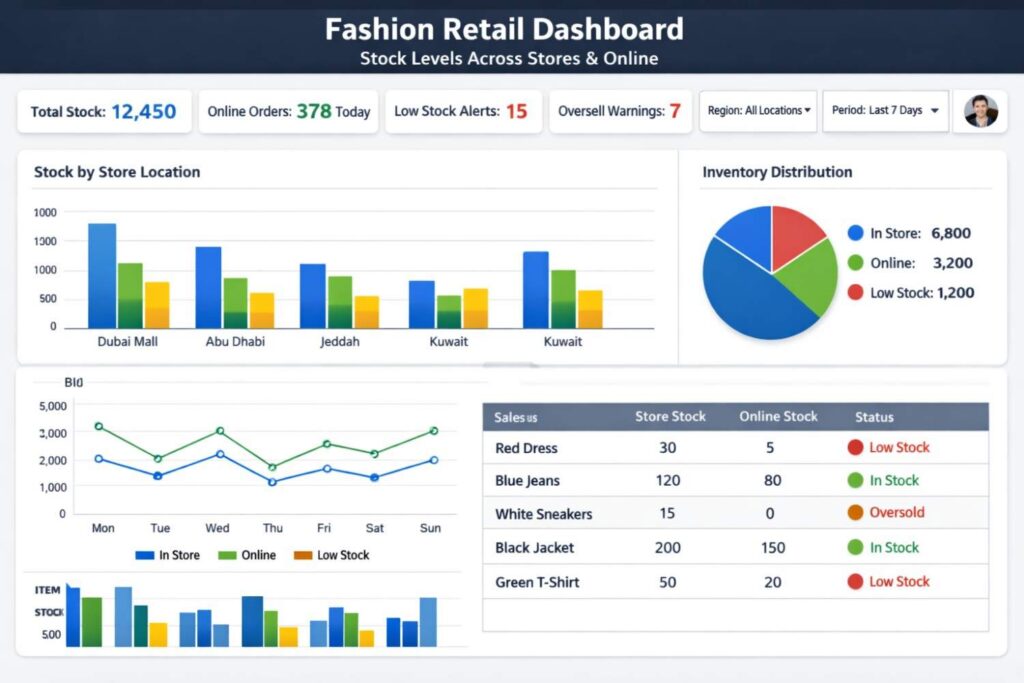
Hornet enables centralized dashboards and monitoring by integrating ERP systems across retail operations. ERP systems support valuation methods like FIFO and weighted average costing when properly implemented. Hornet assists retailers in configuring these financial controls accurately.
Implementation Roadmap for Fashion Retailers
1. Audit Current Inventory Flow
Identify where stock updates occur, where delays happen, which systems operate independently.
2. Standardize Variant Structure
Define style codes, size scales, color naming conventions, barcode logic. Clean master data reduces sync errors.
3. Integrate POS, Warehouse, and Ecommerce
API-based synchronization, variant-level tracking, inventory reservation rules, automated returns updates. Hornet specializes in integrating these systems.
4. Test Under Load
Simulate promotion spikes, multi-location sales, returns and exchanges. Proper testing prevents real-world overselling issues.
5. Monitor Key KPIs
Track cancellation rate (OOS), stock accuracy %, oversell incidents per channel, fulfillment cycle time.
Frequently Asked Questions
How does ERP manage size and color variants in fashion?
Can ERP sync stock across multiple stores and ecommerce?
Do we need to replace our ecommerce platform?
How long does ERP ecommerce integration take?
Conclusion. Stop Losing Sales to Overselling
Overselling in fashion retail is not caused by high demand. It is caused by disconnected systems.
When inventory updates are delayed: Customers lose trust, Margins shrink, Teams firefight errors.
ERP ecommerce integration creates a unified, synchronized inventory backbone. Hornet helps fashion retailers connect their ERP systems, ecommerce platforms, POS, and warehouse operations into one coordinated ecosystem.
Take the Next Step
Struggling with stock mismatches across stores and online channels? See how Hornet can integrate your ERP and ecommerce systems for real-time inventory control.